



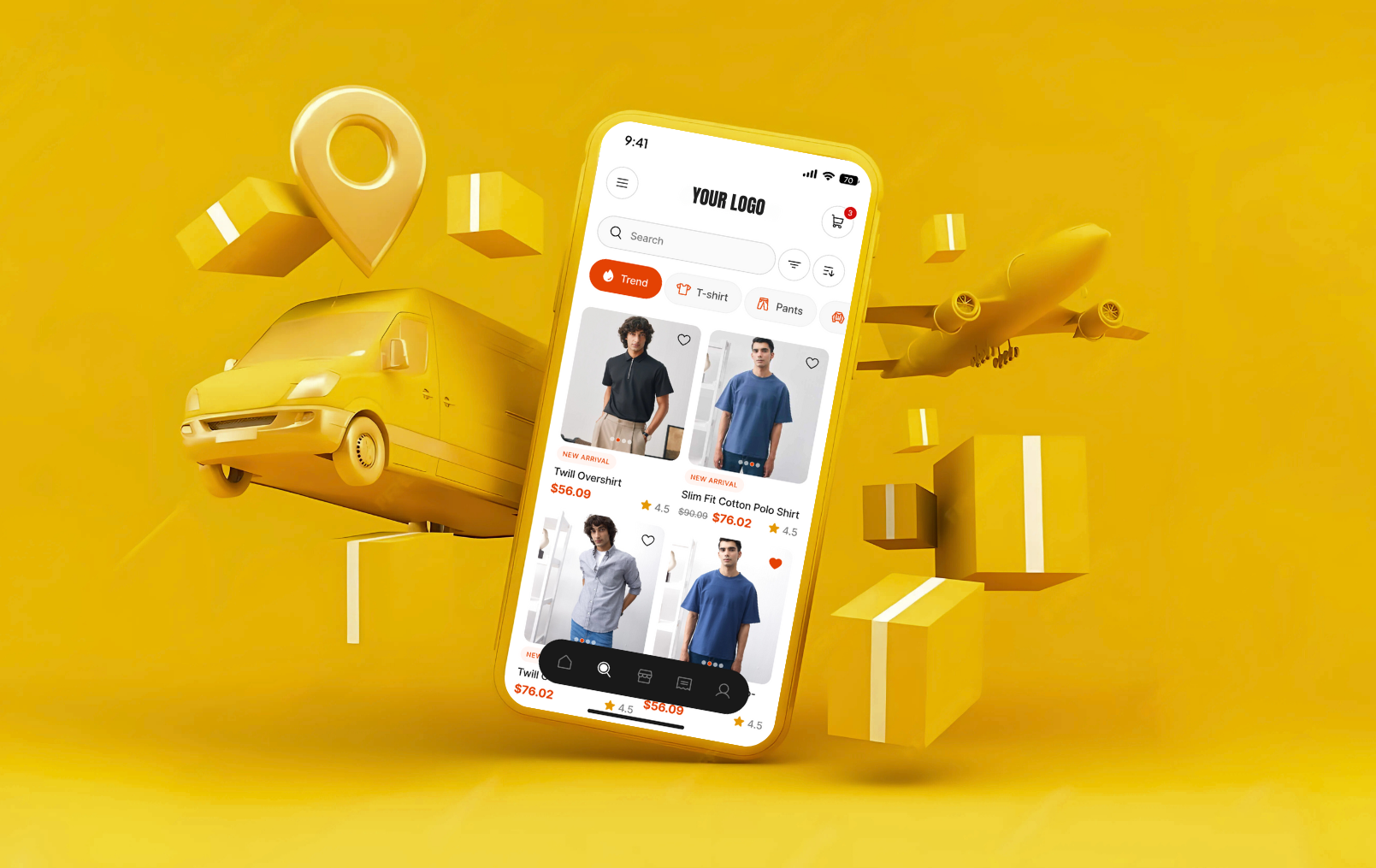
Getting a download is easy compared to earning a habit. Most retail apps can show a catalog and take payments, yet very few keep customers coming back. The gap sits in the day-to-day choices that shape the customer’s experience. Clear rewards, useful reminders, quick checkout, and respectful communication build trust. Over time, these simple pieces add up to stronger customer engagement and a higher share of wallet.
This playbook is practical by design. It covers the core features that change behavior, the customer retention strategies that hold attention, and the product decisions that increase repeat purchases without gimmicks. It also explains when to bring in a mobile app development company and how to plan for scalable mobile app development services so the app grows with your business.
What Loyalty Really Means Inside a Retail Mobile App
Loyalty is not a points balance. Loyalty is a feeling that buying from you is the easy choice. Your retail mobile app should make this feeling obvious.
Three signals tell you that loyalty is taking root:
- Customers open the app to check offers before they shop.
- Customers join your customer loyalty program and redeem rewards without friction.
- Customers return on a predictable rhythm, which shows up as a steady rise in repeat orders.
If your app does not meet these signals yet, build from the basics below.
Foundations That Make Retention Possible
Onboarding That Sets Clear Value
Great onboarding is short and direct. Explain the top three benefits of your mobile app loyalty program, ask for only the permissions you need, and let the user start earning from day one. Avoid long forms. Use one-tap sign-in where possible.
Profiles with First-Party Data
Profiles allow you to collect preferences with consent. Start simple: favorite categories, store location, and order frequency. These small inputs fuel better customer engagement and reduce noise in notifications.
Trust, Privacy, and Choice
Be honest about data use. Offer simple controls for notifications and location. When people feel in control, they are more likely to stay. Trust also helps increase repeat purchases, since users do not fear surprises at checkout.
Loyalty Mechanics That People Actually Use
Points and Tiers That Feel Fair
Keep the earn and burn rules easy to grasp. If one point equals one unit of value, say so. Tiers should have clear benefits, such as faster delivery or early access. This supports your customer loyalty program without confusion.
Punch and Perks for Quick Wins
In categories with frequent small orders, a punch-style perk works well. Buy nine, get the tenth free. The math is simple. The win feels close. This is a classic customer retention strategy, and it still works inside a retail mobile app.
Store Wallet or Cashback
Cashback that lands in an in-app wallet nudges the next order. It also keeps value inside the app. Combine small instant rewards with milestone bonuses to increase repeat purchases without heavy discounting.
Redemption That Never Feels Blocked
If rewards are hard to use, loyalty fades. Place redemption in the cart, not behind separate screens. Show the current reward value and the next milestone so users see progress. This is a simple mobile app loyalty program design, and it pays off.
Offers and Merchandising That Drive the Second Purchase
Personalized Offers to Match Real Habits
Use browsing, purchase history, and saved preferences to customize weekly offers. Keep it relevant and do not flood the feed. Each relevant offer lifts customer engagement and supports steady reorders.
Reorder Flows, Subscriptions, and Reminders
Staple items benefit from a simple reorder path. One tap to repeat the last basket, or a clear subscription option with pause controls. This is a clean way to increase repeat purchases without heavy promotion.
Back-In-Stock and Price Drop Alerts
Let customers track items with a single tap. Alerts for restocks and price changes feel helpful, not pushy. They also raise open rates for your retail mobile app since the message is timely.
Bundles with Clear Savings
Bundles encourage larger baskets without aggressive discounting. List the items, show the normal total, and show the bundle price. Clear math builds trust, which helps your customer loyalty program feel generous rather than gimmicky.
The Engagement Engine
Push Notifications That Respect Attention
Push is powerful when used with care. Send at logical times, cap frequency, and let users set quiet hours. Tie each message to a value. Expiring points, last-mile delivery updates, and local store alerts are reliable winners for customer engagement.
In-app Messages for Context
Use in-app banners to show new features, loyalty boosts, or pickup changes. Keep copy short. Link to actions rather than static pages. This supports customer retention strategies by meeting the user where they are.
Email and SMS as Support Channels
Email and SMS still matter. Use them to summarize monthly rewards, share receipts, and confirm subscriptions. Treat these messages as a companion to the retail mobile app, not a replacement.
UX Details That Reduce Friction
Search and Filters That Think Like a Shopper
People search the way they speak. Support synonyms, common misspellings, and recent searches. Keep filters short and clear. Shoppers who find items fast are more likely to increase repeat purchases.
Checkout That Feels Invisible
Offer guest checkout, autofill, and saved addresses. Keep payment choices broad. If your market uses wallets or local rails, support them. This is where a mobile app development company helps, since payment flows and risk checks require experience.
Delivery, Pickup, and Returns with Certainty
Set expectations early. Show live delivery windows, fees, and return rules before the cart. When there are no surprises at the end, customer engagement stays healthy and churn drops.
What to Measure and Why
Use a simple scorecard to know if your customer retention strategies are working.
Core KPIs for a Retail Mobile App
| KPI | What it tells you |
How to improve it |
| Repeat purchase rate |
Share of customers who buy again |
Better reorder flows, relevant offers, and rewards that are easy to redeem |
| Purchase frequency |
How often customers buy in a period |
Subscriptions for staples, reminders, and back-in-stock alerts |
| 30-day returning users |
Habit strength after first purchase |
Onboarding nudges, simple loyalty milestones, value-driven push |
| Average order value |
Basket quality |
Bundles, cross-sell, clear savings without clutter |
| Reward redemption rate |
Usability of the customer loyalty program |
Cart-level redemption, transparent rules, visible progress |
| Opt-in rate for push |
Comfort with notifications |
Clear value in messages, easy settings, proof of restraint |
| Churn rate |
How many leave or go silent |
Win-back flows, surveys, honest fixes to friction |
| Support contact rate |
Friction points customers cannot solve |
Better help content, self-serve returns, clearer timelines |
Track these weekly and monthly. Move one metric at a time. Growth looks steady when measurement is steady.
Practical Retention Playbooks
New User Activation Playbook
- Day 0: Welcome message with three clear benefits of the mobile app loyalty program
- Day 3: First order coupon that expires in a few days.
- Day 7: Reminder about points and a nudge toward the next milestone.
- Day 14: Survey with a tiny reward for feedback.
Reorder Playbook for Staples
- Detect items with fixed cycles, such as pet food or coffee.
- Offer reorder in one tap from the home screen.
- Add a gentle reminder near the expected repurchase date.
- Pair with a small cashback into the store wallet to increase repeat purchases.
Win-Back Playbook
- Identify users silent for 30 or 45 days.
- Send a useful message, such as back-in-stock or new arrivals in their favorite category.
Avoid heavy discounts at first. Start with relevance. Then add a modest perk if needed.
Case Snapshots
Coffee brand with high visit frequency
The brand moved from card-based stamps to a mobile app loyalty program with instant wallet credits. The app placed redemption inside the cart and showed progress on the home screen. Result: more visits per month with lower promo cost per visit.
Beauty retailer with tiered perks
A clear customer loyalty program with tiers unlocked early access and samples. Personalized offers sat beside routine reorder paths for staple items. Customers returned to restock and to try new lines, which lifted both frequency and basket size.
Regional grocer with pickups
The grocer used location, store hours, and pickup slots inside the retail mobile app. Push messages focused on weekly essentials and local offers, not generic blasts. Repeat orders climbed as shoppers got into a simple rhythm.
These snapshots show that thoughtful flows and honest value tend to beat complicated features.
Future Directions
You asked for a future view that feels real, not trendy. Here it is.
- Smarter use of small data: You already hold useful signals such as last order date and favorite store. Use these first. Aim for fewer, better messages. This strengthens customer engagement without risk.
- Online to store, store to online: Let a customer scan a shelf tag to pull up reviews, redeem a reward, or save for later at home. This is simple, helpful, and fits any retail mobile app.
- Partner rewards that make sense: Link with nearby services such as parking, coffee, or cinema. One wallet, many ways to earn and redeem. This keeps your customer loyalty program fresh.
- Sustainability with receipts: Reward choices like reusable bags or repair services. Small credits add up and feel good to use.
None of this needs heavy jargon. It needs tidy execution and a roadmap you can deliver.
Build, Buy, or Partner
When A Platform Is Enough
If you want basic points, coupons, and a light catalog, an off-the-shelf system can work for a start. You still need clean onboarding and careful copy. A platform can be a first step in e-commerce app development if your needs are simple.
When to Bring A Partner
If you need custom rewards, advanced payments, or complex order logic, work with a mobile app development company. An experienced team can shape flows, add the right integrations, and keep the system reliable at peak times. This is where mobile app development services make a clear difference.
Why Custom Often Wins In Retail
Retail has quirks by category. Grocers care about slots and weight. Fashion cares about returns and fit. Beauty cares about shades and samples. These details push you toward retail mobile app development that fits your category rather than a one-size setup.
A Simple 90-Day Plan
Phase 1: Days 1 to 30
- Audit the app. Note friction in sign-in, search, and checkout.
- Map the customer loyalty program. Fix unclear rules.
- Ship one quick win in the home screen, such as visible progress to the next reward.
- Set up baseline metrics and weekly reviews.
Phase 2: Days 31 to 60
- Ship reorder flows for staples.
- Add cart-level reward redemption.
- Start one clear customer retention strategy, such as a tiered perk or app-only deal day.
- Trim push frequency and let users choose quiet hours.
Phase 3: Days 61 to 90
- Launch a mobile app loyalty program milestone that feels worth talking about.
- Add partner rewards or a new pickup option if relevant.
- Tune checkout. Cut fields, add wallets, and fix edge cases.
- Publish a help center page in the app so support questions drop.
Partners offering mobile app development services can compress these timelines by bringing templates, component libraries, and proven flows. If you also need store, cart, and payment logic at web scale, fold in ecommerce app development tasks so you avoid rework later.
Quick Checklist for Your Team
Use this as a weekly stand-up aid.
- Onboarding shows the top three benefits at a glance
- Reward progress visible on the home screen
- Cart shows points balance and redemption controls
- One-tap reorder working for staple items
- Push limited to real value events such as expiring points or delivery updates
- Saved addresses and one-tap payment options live
- Back-in-stock and price drop alerts enabled
- Baseline dashboard active for repeat rate, frequency, and redemption
- Support articles linked inside the app
- A named owner for each retention playbook
This checklist looks simple on purpose. Clear wins stack up faster than complex projects left half done.
Common Mistakes to Avoid
- Disjointed rewards: If the customer loyalty program sits on a separate page and cannot be used in the cart, people will ignore it.
- Notification overload: High frequency kills opt-ins. If push is noisy, users mute you, which hurts customer engagement.
- Hidden fees and slow refunds: Surprises at checkout or slow returns undo months of progress.
- Copy that tries too hard: Use plain language. Clarity builds trust.
- No owner for retention: Treat retention like a product, not a side task. Give it a roadmap and a leader.
Conclusion
Loyalty grows when your app feels useful, fair, and easy. A clear customer loyalty program with simple rules, a mobile app loyalty program that rewards everyday actions, and a small set of focused customer retention strategies can steadily increase repeat purchases. Keep the experience honest. Keep the copy plain. Keep the controls in the customer’s hands. That is how customer engagement becomes a habit, not a hope.
If you want a partner to move fast without cutting corners, speak with a mobile app development company that knows retail. iCode49 Technolabs offers mobile app development services with deep retail mobile app development experience and end-to-end ecommerce app development support. We can help you plan the roadmap, build the flows, and measure the gains.
 Ahmedabad, INDIA
 1214, Rashmi Prime, Besides STC Building, Vakil Saheb Bridge, Ambli, Ahmedabad, Gujarat – 380058
 USA
USA Dubai, UAE
 Singapore
 WhatsApp
 Gmail
Gmail Contact no


