



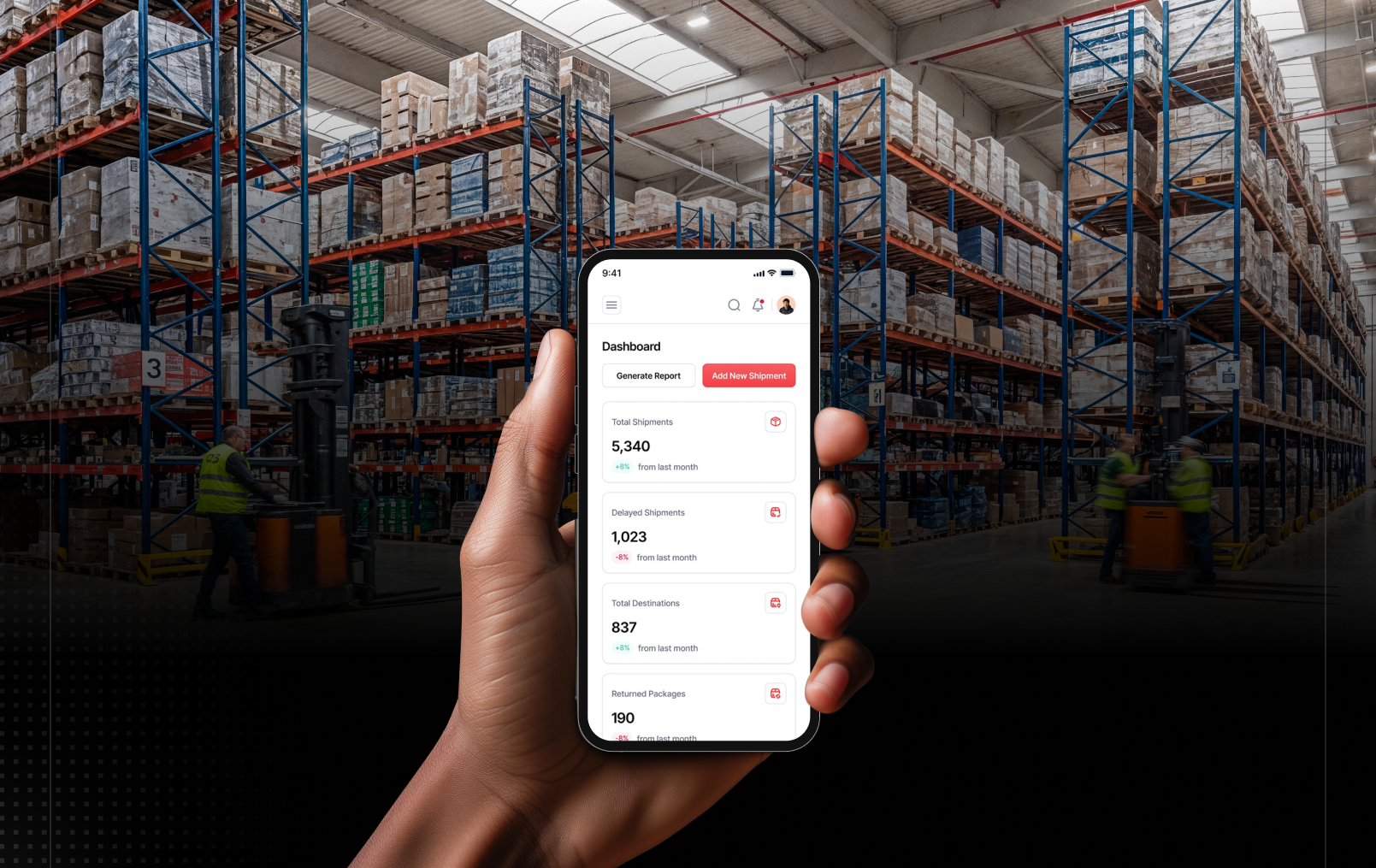
The logistics and supply chain industry is the backbone of global commerce, a complex network of transportation, warehousing, and inventory management that ensures goods move from origin to destination. For decades, this sector relied on manual processes, paper trails, and fragmented communication. However, a significant transformation is underway, driven by technology that brings unprecedented efficiency and visibility. At the forefront of this change are on-demand applications Development, which are fundamentally reshaping how businesses manage their supply chains.
The rise of e-commerce and heightened customer expectations for speed and transparency have pushed logistics operations to their limits. In this environment, on-demand apps have emerged as essential tools, not just luxuries. These platforms offer real-time control, data-driven insights, and seamless connectivity across the entire supply chain. Companies like Icode49 Technolabs are pioneering this shift, providing on-demand application development and AI development services that empower logistics businesses to thrive. This post explores how these applications are revolutionizing the industry, from the first mile to the last.
1. The Evolution of Logistics and Supply Chain Management
The journey of logistics from a purely manual endeavor to a digitally optimized powerhouse has been remarkable. Initially, managing supply chains involved cumbersome paperwork, phone calls, and a significant amount of guesswork. This traditional approach was prone to errors, delays, and a complete lack of visibility once goods left the warehouse. The introduction of basic digital tools like spreadsheets and legacy software offered some improvement, but these systems were often siloed and unable to provide a holistic view of the operation.
The real game-changer was the widespread adoption of the internet and mobile technology. The rise of Mobile App Development created new possibilities for connectivity and real-time data access. Suddenly, drivers, warehouse managers, and dispatchers could communicate and share information instantly from anywhere. This laid the groundwork for the on-demand model, where services and information are accessible at the touch of a button. The key drivers for this shift include the urgent need for greater efficiency, the demand for scalable solutions that can grow with a business, and the modern customer's expectation of complete transparency and control over their deliveries.
2. Key Features of On-Demand Logistics Apps
Modern on-demand logistics apps are far more than simple tracking tools. They are sophisticated platforms that integrate multiple technologies to provide comprehensive control over the supply chain. These features are designed to address the core challenges of logistics: cost, speed, and customer satisfaction.
Real-Time Tracking and Visibility
The ability to know where a shipment is at any given moment is no longer a premium feature—it's a standard expectation. On-demand apps use a combination of GPS and IoT (Internet of Things) sensors to provide live, pinpoint-accurate location data. This visibility extends beyond the truck on the map. IoT sensors can monitor cargo conditions like temperature, humidity, and shock, which is critical for transporting sensitive goods such as pharmaceuticals and fresh produce. This constant stream of data allows logistics managers to proactively address potential issues before they become major problems.
Dynamic Route Optimization
One of the highest operational costs in logistics is fuel and driver time. Dynamic route optimization uses artificial intelligence to find the most efficient path from point A to point B. Unlike static routes planned at the beginning of the day, these AI-powered systems analyze real-time variables like traffic congestion, weather conditions, road closures, and even new delivery priorities. The algorithms can instantly recalculate and reroute drivers to avoid delays, saving both time and money. This is a prime example of how an expert AI/ML development service can deliver a tangible return on investment.
Warehouse and Inventory Management
Efficiency within the four walls of a warehouse is just as important as efficiency on the road. On-demand apps often integrate with Warehouse Management Systems (WMS) to provide a centralized dashboard for inventory control. Using barcode scanning or RFID technology, warehouse staff can track inventory levels, manage stock movements, and automate order picking and packing processes. This digitization minimizes human error, speeds up fulfillment, and ensures that inventory data is always accurate and up-to-date.
Customer-Centric Features
Today's customers demand a seamless and informative delivery experience. On-demand apps provide this through features like real-time estimated times of arrival (ETAs), automated notifications at each stage of the delivery process (e.g., "out for delivery," "arriving soon"), and digital proof of delivery (POD). PODs, which can be a photo, signature, or barcode scan captured on the driver's mobile app, eliminate disputes and build trust. These features turn the final mile of delivery from a potential point of friction into a positive brand interaction.
3. The Role of AI and Machine Learning in Logistics Apps
Artificial Intelligence (AI) and Machine Learning (ML) are the engines driving the most advanced features in on-demand logistics apps. These technologies transform raw data into actionable intelligence, enabling predictive and automated decision-making. A specialized AI Development service is crucial for building these sophisticated capabilities.
Demand Forecasting
AI algorithms can analyze vast datasets—including historical sales figures, market trends, seasonal patterns, and even social media sentiment—to predict future demand with remarkable accuracy. This allows businesses to optimize their inventory levels, preventing both stockouts that lead to lost sales and overstocking that ties up capital. Accurate forecasting is the foundation of a proactive and efficient supply chain.
Predictive Analytics
Beyond forecasting demand, AI-powered predictive analytics can identify potential disruptions before they occur. For example, ML models can predict the likelihood of a vehicle breakdown based on its maintenance history and sensor data, allowing for preemptive repairs. They can also forecast shipping delays by analyzing port congestion, weather patterns, and geopolitical events. This foresight enables logistics managers to develop contingency plans and maintain service continuity.
Autonomous Logistics
The future of logistics includes AI-powered automation in the form of autonomous vehicles and drones. While fully driverless trucks for long-haul routes are still in development, autonomous technology is already being used in controlled environments like warehouses and distribution centers. Autonomous mobile robots can transport goods within a facility, and drones are being tested for last-mile delivery in certain areas. This automation promises to further reduce costs and increase speed.
Supplier Risk Management
A supply chain is only as strong as its weakest link. AI tools can continuously monitor supplier performance, tracking metrics like on-time delivery rates, quality compliance, and financial stability. This helps businesses identify high-risk suppliers and diversify their sourcing strategies to build a more resilient supply network.
4. Benefits of On-Demand Apps in Logistics
The adoption of on-demand logistics applications delivers a wide range of tangible benefits that impact every aspect of the operation, from the balance sheet to customer loyalty.
Cost Efficiency: Last-mile delivery can account for over 50% of total shipping costs. By optimizing routes, minimizing failed delivery attempts, and improving resource allocation, on-demand apps directly reduce these expenses. Furthermore, automation of administrative tasks frees up staff to focus on more strategic initiatives.
Enhanced Customer Experience: Transparency and reliability are key to customer satisfaction. When customers can track their orders in real time and receive accurate ETAs, it builds trust and loyalty. The convenience offered by on-demand apps turns the delivery experience into a competitive advantage.
Operational Productivity: Automating repetitive tasks like dispatching, route planning, and status updates eliminates manual work and reduces the potential for human error. Drivers and warehouse workers are empowered with tools that help them perform their jobs more effectively, leading to higher productivity across the board.
Sustainability Goals: The logistics industry is under increasing pressure to reduce its environmental impact. Dynamic route optimization helps cut fuel consumption and carbon emissions. On-demand apps can also support the integration of electric vehicles (EVs) into fleets by planning routes that account for charging station locations and battery range.
5. Challenges in Developing On-Demand Logistics Apps
While the benefits are clear, building a robust and effective on-demand logistics app is not without its challenges. It requires deep technical expertise and a thorough understanding of the industry's complexities.
Data Integration: Many logistics companies still rely on a mix of modern and legacy software systems. Integrating a new on-demand app with these disparate systems to create a single, unified source of data can be a significant technical hurdle.
Scalability and Security: A logistics app must be able to handle a growing volume of users, data, and transactions without a drop in performance. At the same time, it must be secure enough to protect sensitive information like shipment details, customer data, and financial transactions from cyber threats.
Regulatory Compliance: Logistics is a heavily regulated industry. An app must be designed to comply with a complex web of local and international regulations related to transportation, customs, data privacy (like GDPR), and driver work hours.
Addressing these challenges requires a partner with proven experience in On-Demand Application Development. A company like Icode49 Technolabs has the expertise to navigate these complexities, delivering custom Mobile App Development solutions that are scalable, secure, and compliant.
6. Future Trends in Logistics and Supply Chain Management
The revolution is far from over. The coming years will see even more advanced technologies integrated into logistics operations, driven by the continuous push for greater efficiency and intelligence.
Expanded Use of AI: AI will become more deeply embedded in every facet of the supply chain, from fully automated warehouses to AI-powered chatbots that handle customer service inquiries, further streamlining operations.
Blockchain for Transparency: Blockchain technology offers an immutable and transparent ledger that can be used to track goods as they move through the supply chain. This enhances security, reduces fraud, and provides an unbreakable chain of custody for all stakeholders to see.
5G and IoT Integration: The rollout of 5G networks will enable faster and more reliable communication between IoT devices. This will allow for the transmission of massive amounts of data in real time, leading to even more responsive and intelligent logistics systems.
End-to-End Platforms: The trend is moving away from single-purpose apps toward unified platforms that manage the entire logistics lifecycle—from procurement and warehouse management to transportation and final delivery—all from a single dashboard.
7. Why Choose Icode49 Technolabs for On-Demand Application Development
Navigating the technological transformation of the logistics industry requires a partner who understands both the challenges and the opportunities. Icode49 Technolabs stands out as a leader in creating bespoke solutions that drive real business value. With a deep expertise in On-Demand Application Development and a cutting-edge AI/ML development service, we build applications that are not only technologically advanced but also intuitive and user-friendly.
Our commitment is to work closely with our clients to understand their unique operational needs and design a solution that is scalable, secure, and built for the future. We don't just build apps; we build the digital backbone that enables our clients to lead in a competitive market.
Conclusion
On-demand applications are no longer a futuristic concept in logistics; they are a present-day necessity for any company looking to remain competitive. By providing unparalleled visibility, efficiency, and customer satisfaction, these apps are fundamentally revolutionizing supply chain management. The integration of advanced technologies like AI, ML, and IoT is turning reactive supply chains into predictive, proactive, and autonomous systems.
As this technological wave continues to build, businesses that embrace it will thrive, while those that don't risk being left behind. The journey to a fully optimized, on-demand supply chain begins with the right technology partner.
If you are ready to revolutionize your logistics operations and gain a decisive competitive edge, it's time to explore what a custom solution can do for you. Contact Icode49 Technolabs today to learn how our expert AI Development service and custom Mobile App Development can transform your supply chain.
 Ahmedabad, INDIA
 1214, Rashmi Prime, Besides STC Building, Vakil Saheb Bridge, Ambli, Ahmedabad, Gujarat – 380058
 USA
USA Dubai, UAE
 Singapore
 WhatsApp
 Gmail
Gmail Contact no


